Report error Found 50 Enz. Inhib. hit(s) with all data for entry = 11997
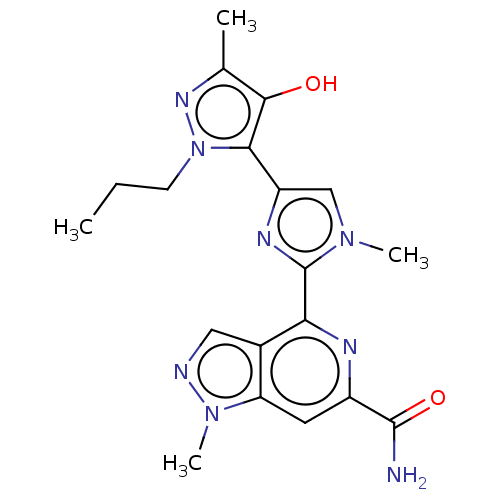
Affinity DataKi: 0.300nMAssay Description:A radioligand binding assay was developed to determine whether compound interactions were competitive with a tritium-labeled version of the native ST...More data for this Ligand-Target Pair
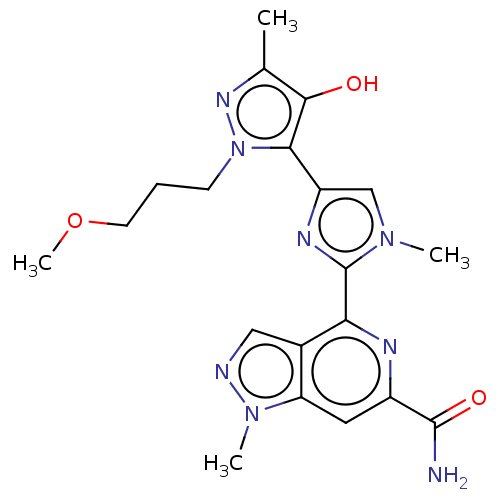
Affinity DataKi: 1.30nMAssay Description:A radioligand binding assay was developed to determine whether compound interactions were competitive with a tritium-labeled version of the native ST...More data for this Ligand-Target Pair
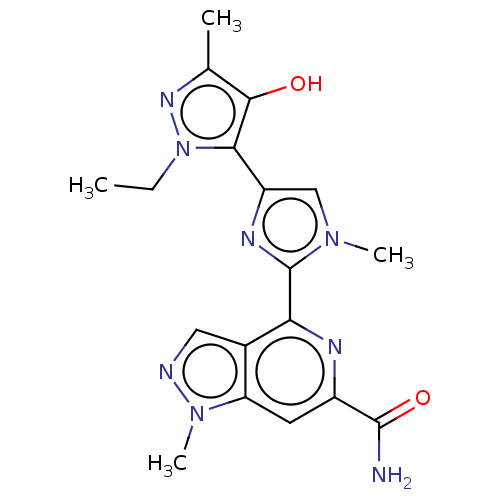
Affinity DataKi: 2nMAssay Description:A radioligand binding assay was developed to determine whether compound interactions were competitive with a tritium-labeled version of the native ST...More data for this Ligand-Target Pair
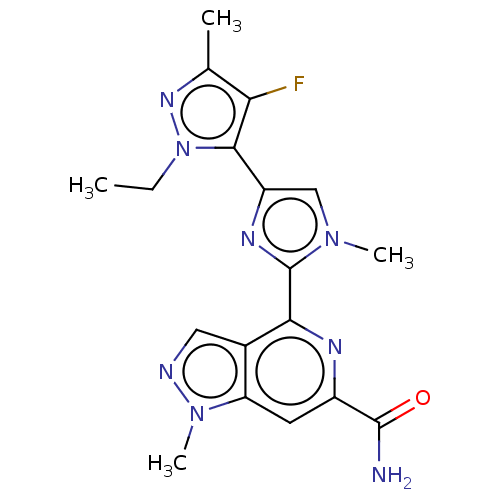
Affinity DataKi: 2.40nMAssay Description:A radioligand binding assay was developed to determine whether compound interactions were competitive with a tritium-labeled version of the native ST...More data for this Ligand-Target Pair
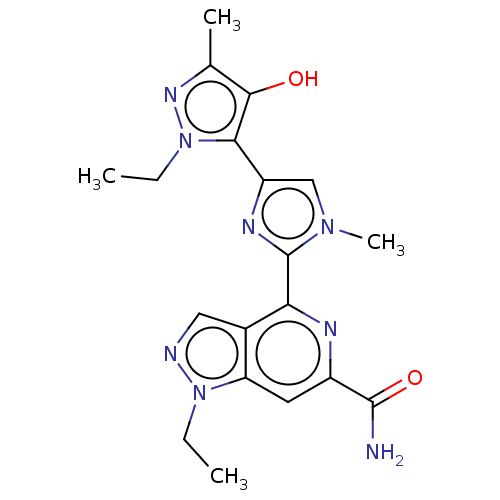
Affinity DataKi: 2.90nMAssay Description:A radioligand binding assay was developed to determine whether compound interactions were competitive with a tritium-labeled version of the native ST...More data for this Ligand-Target Pair
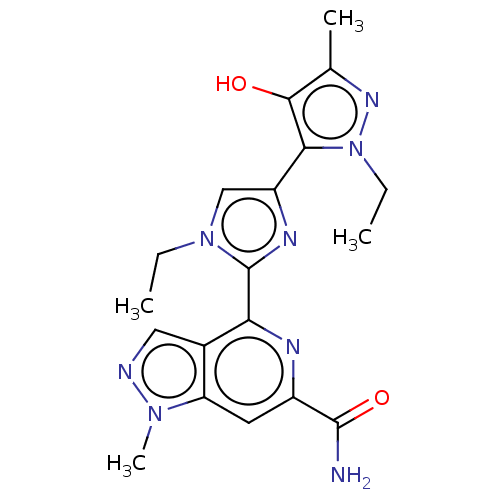
Affinity DataKi: 2.90nMAssay Description:A radioligand binding assay was developed to determine whether compound interactions were competitive with a tritium-labeled version of the native ST...More data for this Ligand-Target Pair
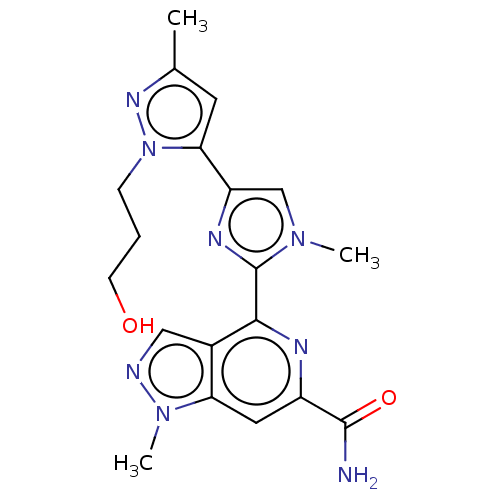
Affinity DataKi: 3.60nMAssay Description:A radioligand binding assay was developed to determine whether compound interactions were competitive with a tritium-labeled version of the native ST...More data for this Ligand-Target Pair
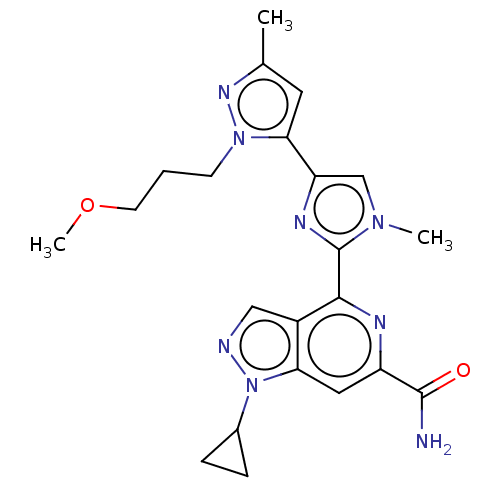
Affinity DataKi: 4.60nMAssay Description:A radioligand binding assay was developed to determine whether compound interactions were competitive with a tritium-labeled version of the native ST...More data for this Ligand-Target Pair
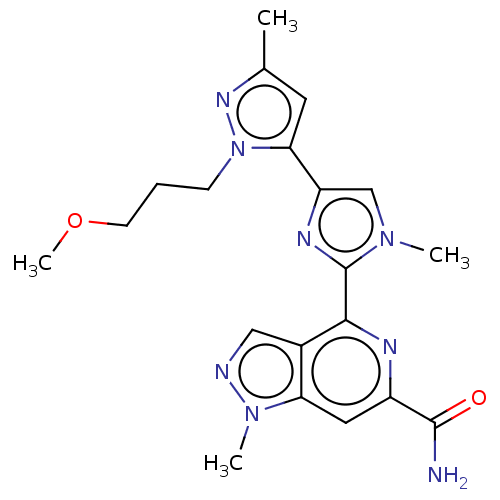
Affinity DataKi: 5.70nMAssay Description:A radioligand binding assay was developed to determine whether compound interactions were competitive with a tritium-labeled version of the native ST...More data for this Ligand-Target Pair
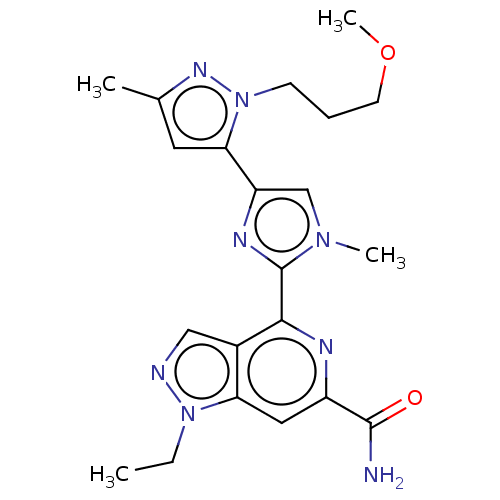
Affinity DataKi: 7.80nMAssay Description:A radioligand binding assay was developed to determine whether compound interactions were competitive with a tritium-labeled version of the native ST...More data for this Ligand-Target Pair
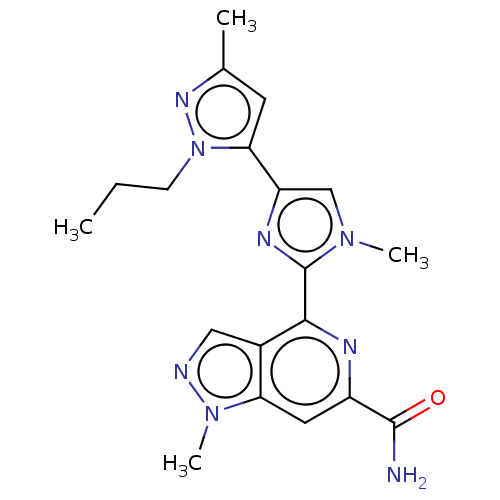
Affinity DataKi: 9.80nMAssay Description:A radioligand binding assay was developed to determine whether compound interactions were competitive with a tritium-labeled version of the native ST...More data for this Ligand-Target Pair
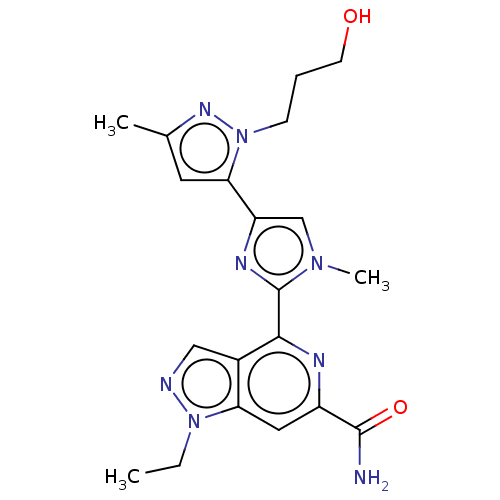
Affinity DataKi: 10.2nMAssay Description:A radioligand binding assay was developed to determine whether compound interactions were competitive with a tritium-labeled version of the native ST...More data for this Ligand-Target Pair
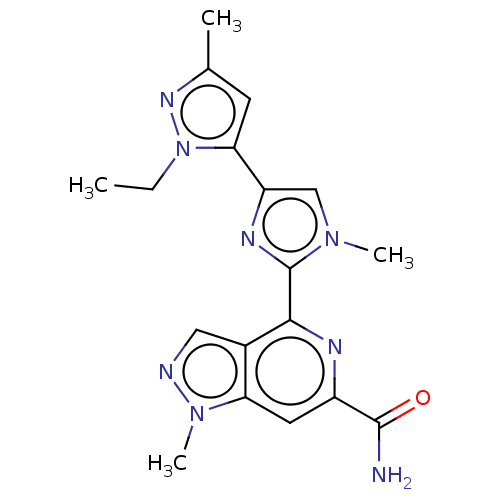
Affinity DataKi: 10.7nMAssay Description:A radioligand binding assay was developed to determine whether compound interactions were competitive with a tritium-labeled version of the native ST...More data for this Ligand-Target Pair
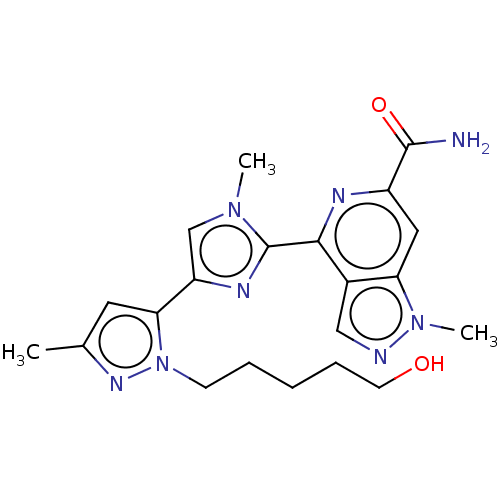
Affinity DataKi: 10.7nMAssay Description:A radioligand binding assay was developed to determine whether compound interactions were competitive with a tritium-labeled version of the native ST...More data for this Ligand-Target Pair
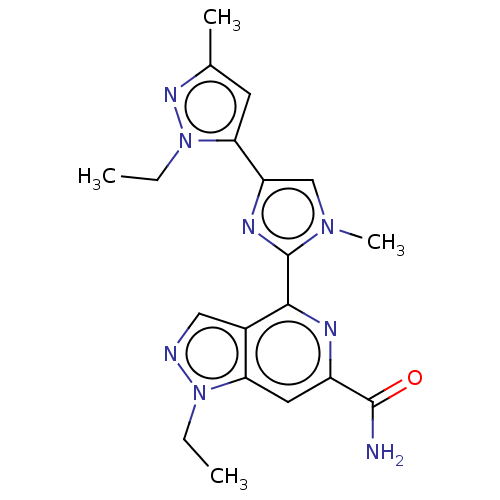
Affinity DataKi: 12.1nMAssay Description:A radioligand binding assay was developed to determine whether compound interactions were competitive with a tritium-labeled version of the native ST...More data for this Ligand-Target Pair
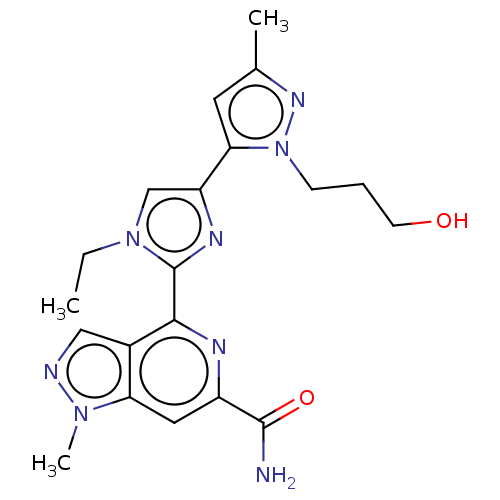
Affinity DataKi: 12.7nMAssay Description:A radioligand binding assay was developed to determine whether compound interactions were competitive with a tritium-labeled version of the native ST...More data for this Ligand-Target Pair
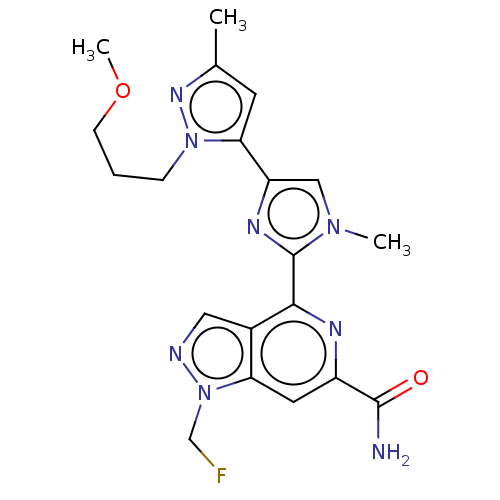
Affinity DataKi: 12.8nMAssay Description:A radioligand binding assay was developed to determine whether compound interactions were competitive with a tritium-labeled version of the native ST...More data for this Ligand-Target Pair
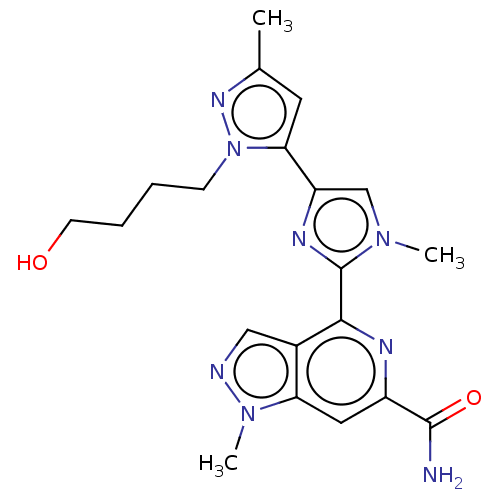
Affinity DataKi: 13.7nMAssay Description:A radioligand binding assay was developed to determine whether compound interactions were competitive with a tritium-labeled version of the native ST...More data for this Ligand-Target Pair
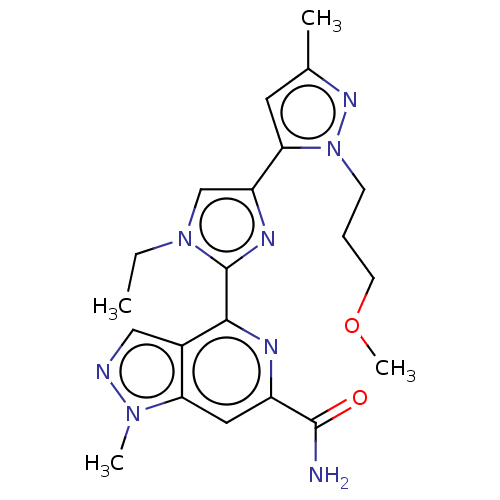
Affinity DataKi: 15.2nMAssay Description:A radioligand binding assay was developed to determine whether compound interactions were competitive with a tritium-labeled version of the native ST...More data for this Ligand-Target Pair
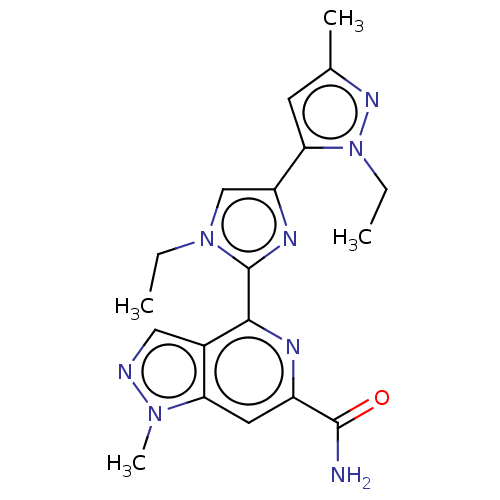
Affinity DataKi: 18nMAssay Description:A radioligand binding assay was developed to determine whether compound interactions were competitive with a tritium-labeled version of the native ST...More data for this Ligand-Target Pair
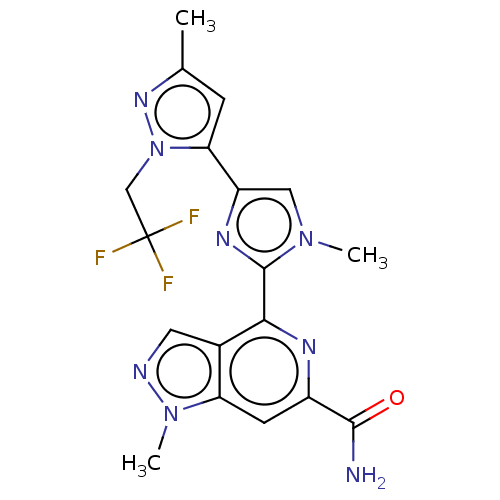
Affinity DataKi: 18.2nMAssay Description:A radioligand binding assay was developed to determine whether compound interactions were competitive with a tritium-labeled version of the native ST...More data for this Ligand-Target Pair
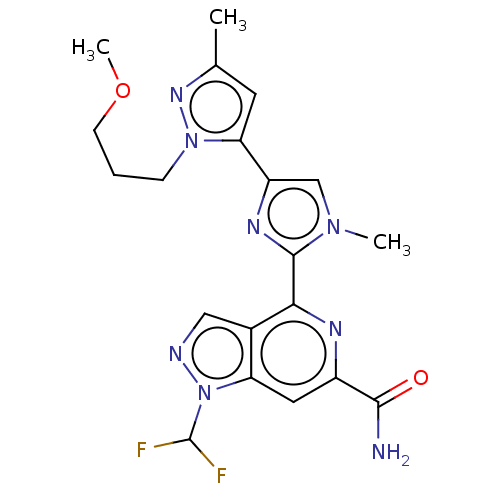
Affinity DataKi: 20.9nMAssay Description:A radioligand binding assay was developed to determine whether compound interactions were competitive with a tritium-labeled version of the native ST...More data for this Ligand-Target Pair
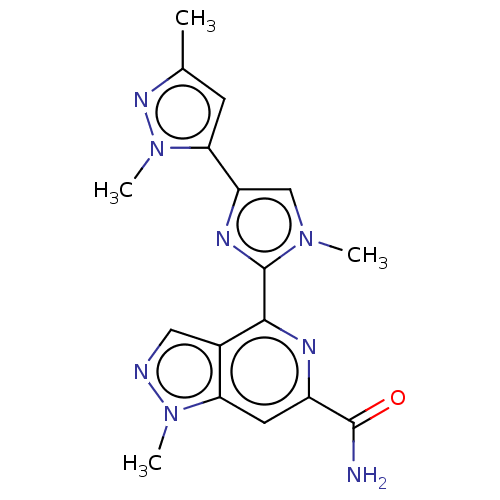
Affinity DataKi: 22.7nMAssay Description:A radioligand binding assay was developed to determine whether compound interactions were competitive with a tritium-labeled version of the native ST...More data for this Ligand-Target Pair
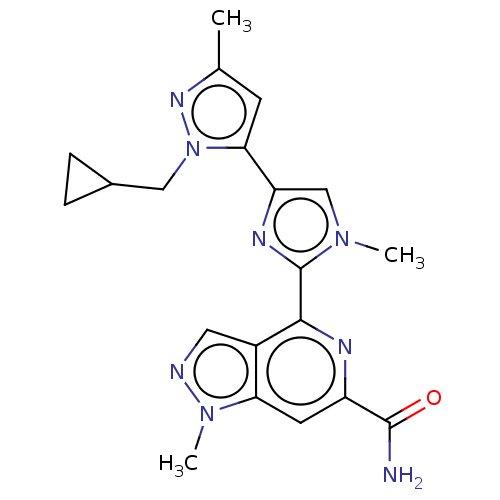
Affinity DataKi: 23.6nMAssay Description:A radioligand binding assay was developed to determine whether compound interactions were competitive with a tritium-labeled version of the native ST...More data for this Ligand-Target Pair
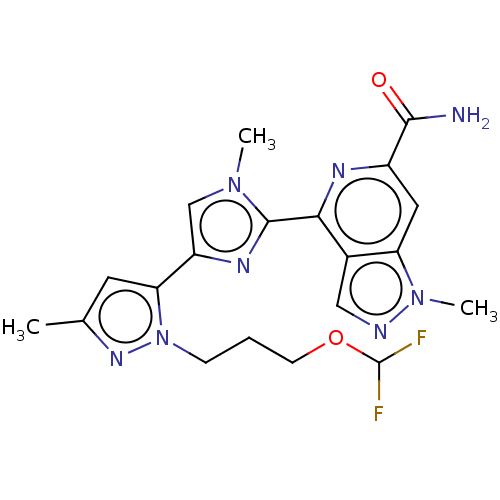
Affinity DataKi: 24.6nMAssay Description:A radioligand binding assay was developed to determine whether compound interactions were competitive with a tritium-labeled version of the native ST...More data for this Ligand-Target Pair
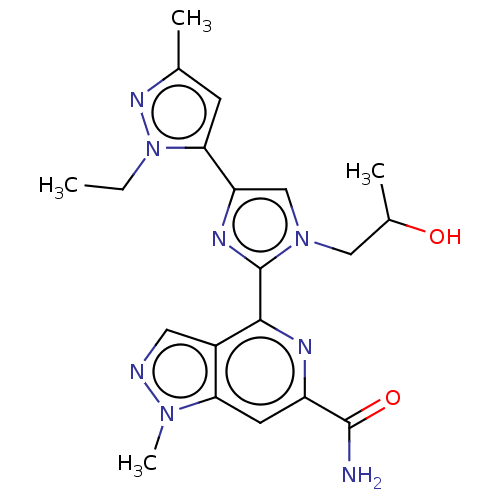
Affinity DataKi: 27.1nMAssay Description:A radioligand binding assay was developed to determine whether compound interactions were competitive with a tritium-labeled version of the native ST...More data for this Ligand-Target Pair
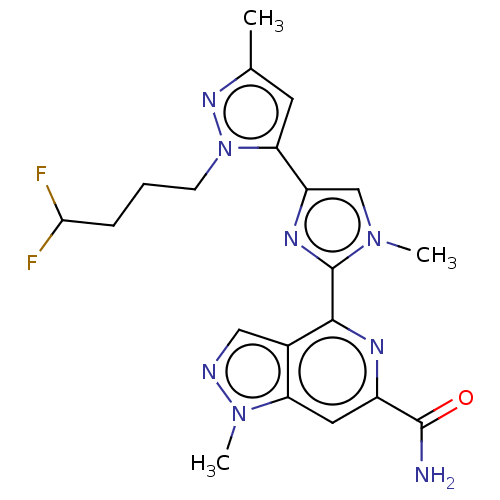
Affinity DataKi: 28.2nMAssay Description:A radioligand binding assay was developed to determine whether compound interactions were competitive with a tritium-labeled version of the native ST...More data for this Ligand-Target Pair
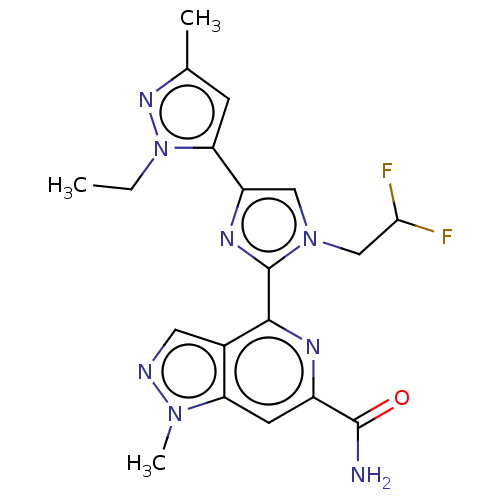
Affinity DataKi: 33.8nMAssay Description:A radioligand binding assay was developed to determine whether compound interactions were competitive with a tritium-labeled version of the native ST...More data for this Ligand-Target Pair
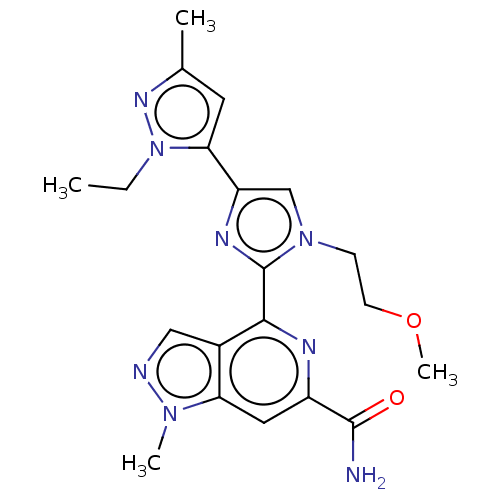
Affinity DataKi: 35.2nMAssay Description:A radioligand binding assay was developed to determine whether compound interactions were competitive with a tritium-labeled version of the native ST...More data for this Ligand-Target Pair
Affinity DataKi: 39.7nMAssay Description:A radioligand binding assay was developed to determine whether compound interactions were competitive with a tritium-labeled version of the native ST...More data for this Ligand-Target Pair
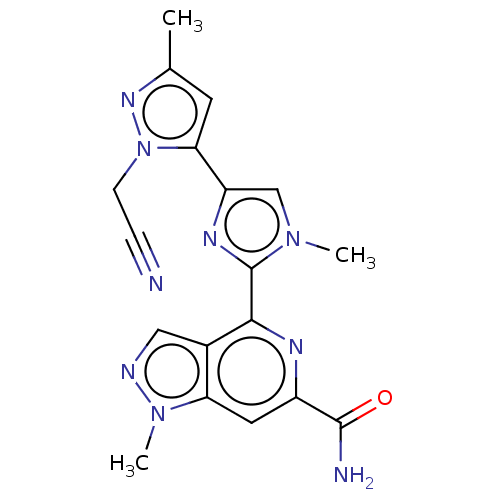
Affinity DataKi: 43.1nMAssay Description:A radioligand binding assay was developed to determine whether compound interactions were competitive with a tritium-labeled version of the native ST...More data for this Ligand-Target Pair
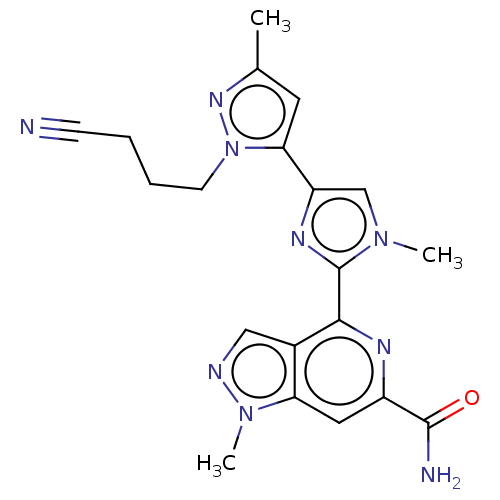
Affinity DataKi: 46.6nMAssay Description:A radioligand binding assay was developed to determine whether compound interactions were competitive with a tritium-labeled version of the native ST...More data for this Ligand-Target Pair
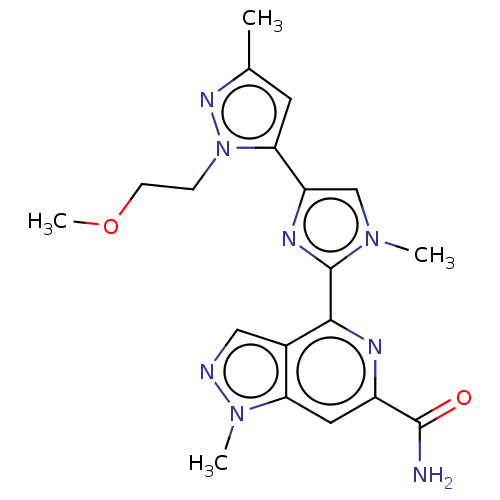
Affinity DataKi: 54.6nMAssay Description:A radioligand binding assay was developed to determine whether compound interactions were competitive with a tritium-labeled version of the native ST...More data for this Ligand-Target Pair
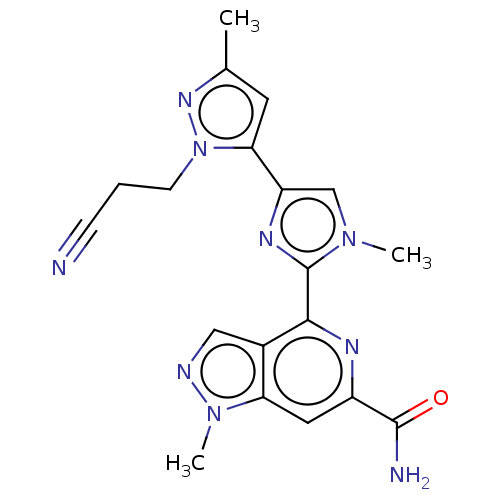
Affinity DataKi: 62.6nMAssay Description:A radioligand binding assay was developed to determine whether compound interactions were competitive with a tritium-labeled version of the native ST...More data for this Ligand-Target Pair
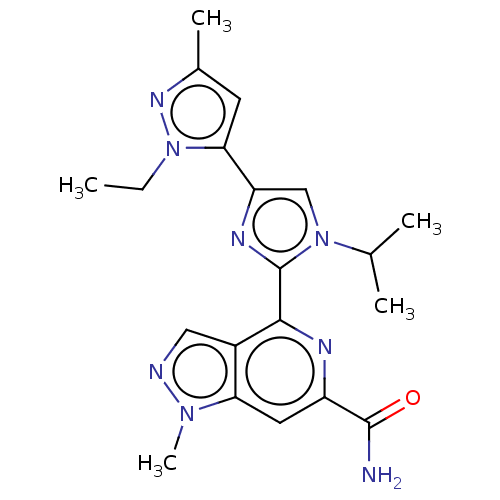
Affinity DataKi: 71.4nMAssay Description:A radioligand binding assay was developed to determine whether compound interactions were competitive with a tritium-labeled version of the native ST...More data for this Ligand-Target Pair
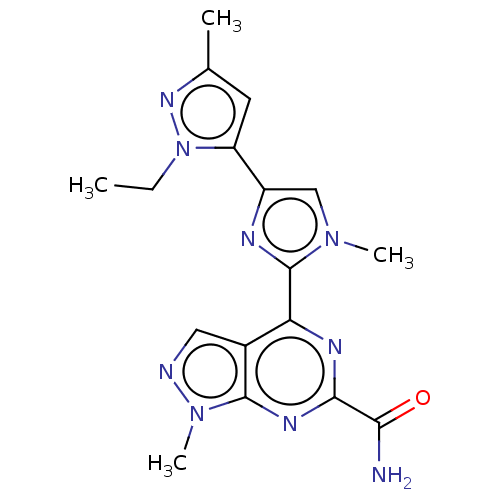
Affinity DataKi: 81.8nMAssay Description:A radioligand binding assay was developed to determine whether compound interactions were competitive with a tritium-labeled version of the native ST...More data for this Ligand-Target Pair
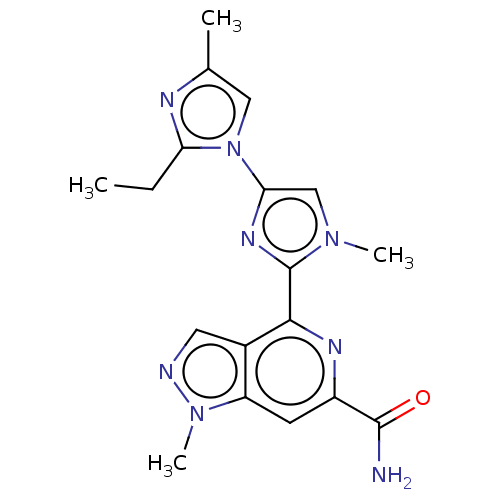
Affinity DataKi: 87.5nMAssay Description:A radioligand binding assay was developed to determine whether compound interactions were competitive with a tritium-labeled version of the native ST...More data for this Ligand-Target Pair
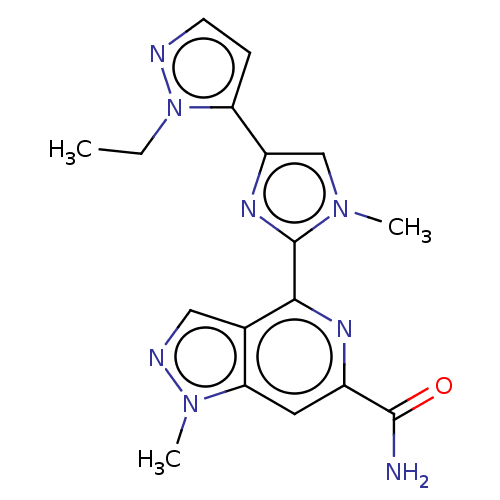
Affinity DataKi: 93.3nMAssay Description:A radioligand binding assay was developed to determine whether compound interactions were competitive with a tritium-labeled version of the native ST...More data for this Ligand-Target Pair
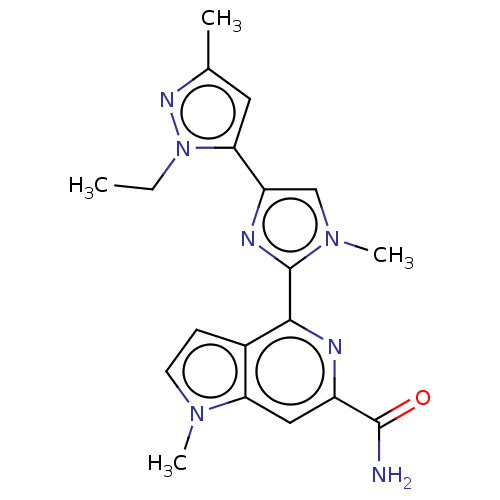
Affinity DataKi: 113nMAssay Description:A radioligand binding assay was developed to determine whether compound interactions were competitive with a tritium-labeled version of the native ST...More data for this Ligand-Target Pair
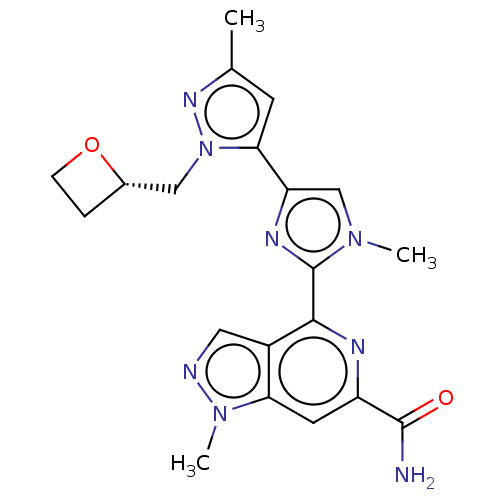
Affinity DataKi: 135nMAssay Description:A radioligand binding assay was developed to determine whether compound interactions were competitive with a tritium-labeled version of the native ST...More data for this Ligand-Target Pair
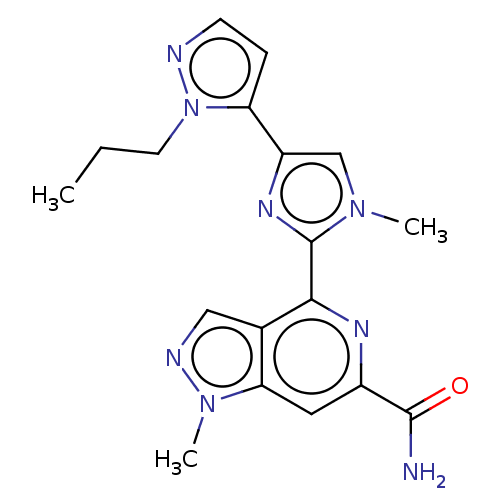
Affinity DataKi: 148nMAssay Description:A radioligand binding assay was developed to determine whether compound interactions were competitive with a tritium-labeled version of the native ST...More data for this Ligand-Target Pair
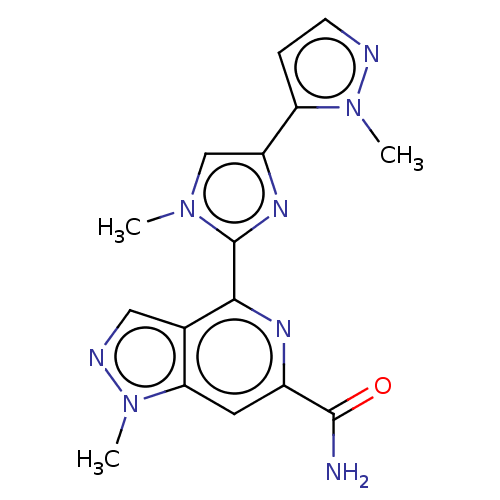
Affinity DataKi: 151nMAssay Description:A radioligand binding assay was developed to determine whether compound interactions were competitive with a tritium-labeled version of the native ST...More data for this Ligand-Target Pair
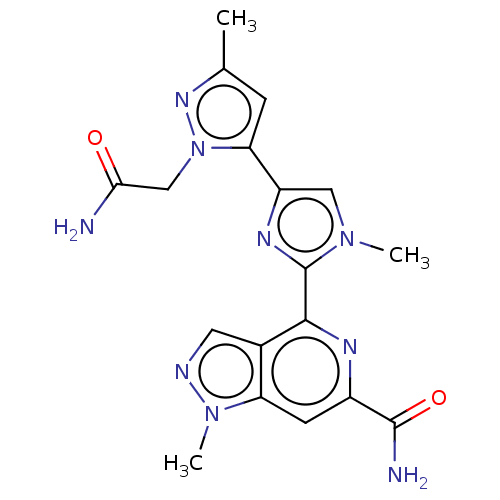
Affinity DataKi: 161nMAssay Description:A radioligand binding assay was developed to determine whether compound interactions were competitive with a tritium-labeled version of the native ST...More data for this Ligand-Target Pair
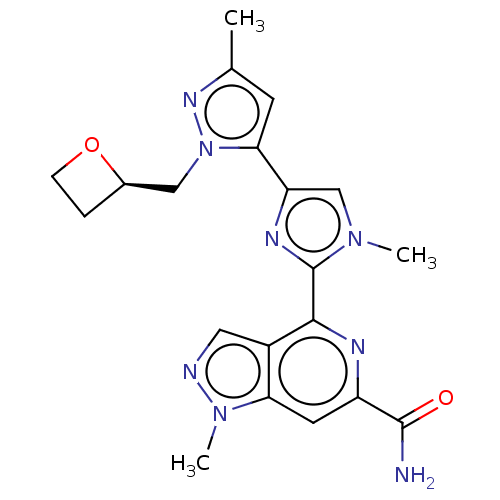
Affinity DataKi: 175nMAssay Description:A radioligand binding assay was developed to determine whether compound interactions were competitive with a tritium-labeled version of the native ST...More data for this Ligand-Target Pair
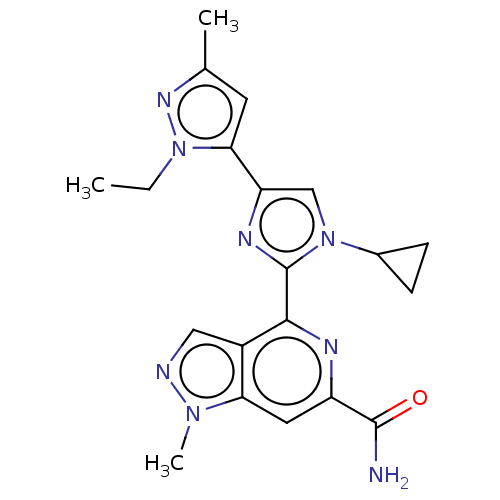
Affinity DataKi: 257nMAssay Description:A radioligand binding assay was developed to determine whether compound interactions were competitive with a tritium-labeled version of the native ST...More data for this Ligand-Target Pair
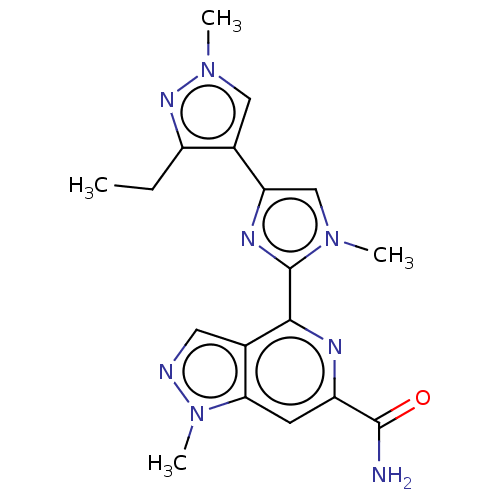
Affinity DataKi: 352nMAssay Description:A radioligand binding assay was developed to determine whether compound interactions were competitive with a tritium-labeled version of the native ST...More data for this Ligand-Target Pair
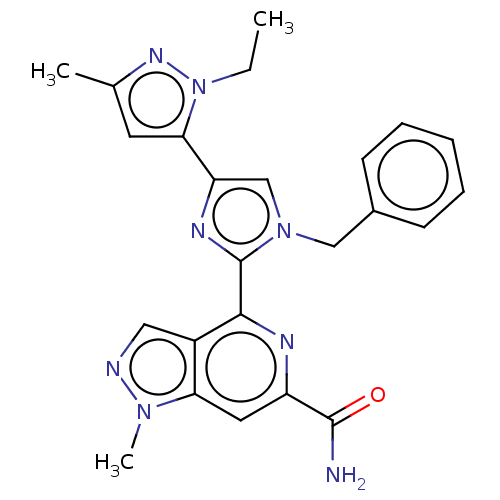
Affinity DataKi: >990nMAssay Description:A radioligand binding assay was developed to determine whether compound interactions were competitive with a tritium-labeled version of the native ST...More data for this Ligand-Target Pair
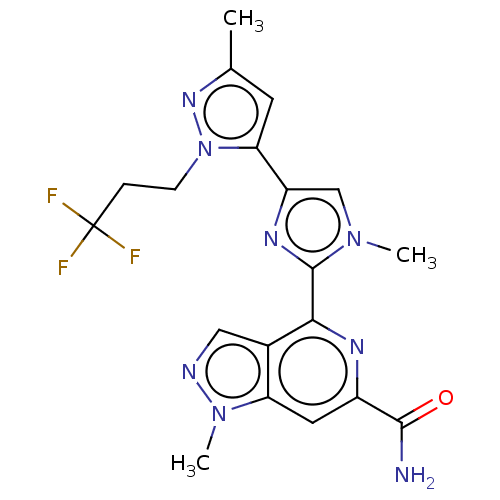
Affinity DataKi: >990nMAssay Description:A radioligand binding assay was developed to determine whether compound interactions were competitive with a tritium-labeled version of the native ST...More data for this Ligand-Target Pair
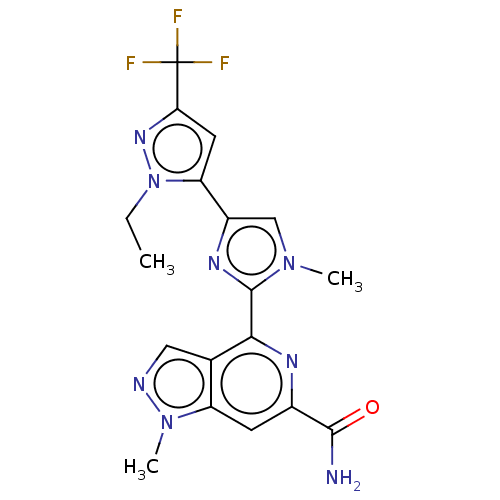
Affinity DataKi: >990nMAssay Description:A radioligand binding assay was developed to determine whether compound interactions were competitive with a tritium-labeled version of the native ST...More data for this Ligand-Target Pair
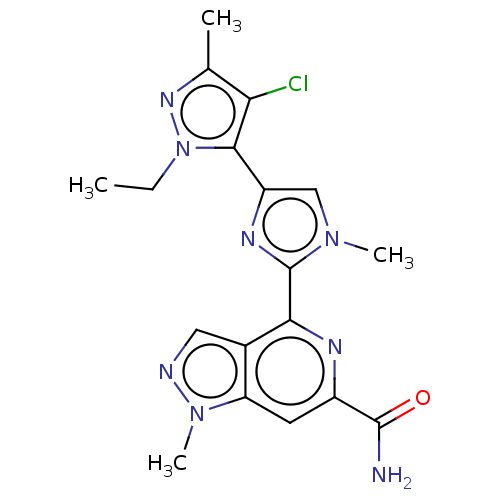
Affinity DataKi: >990nMAssay Description:A radioligand binding assay was developed to determine whether compound interactions were competitive with a tritium-labeled version of the native ST...More data for this Ligand-Target Pair
